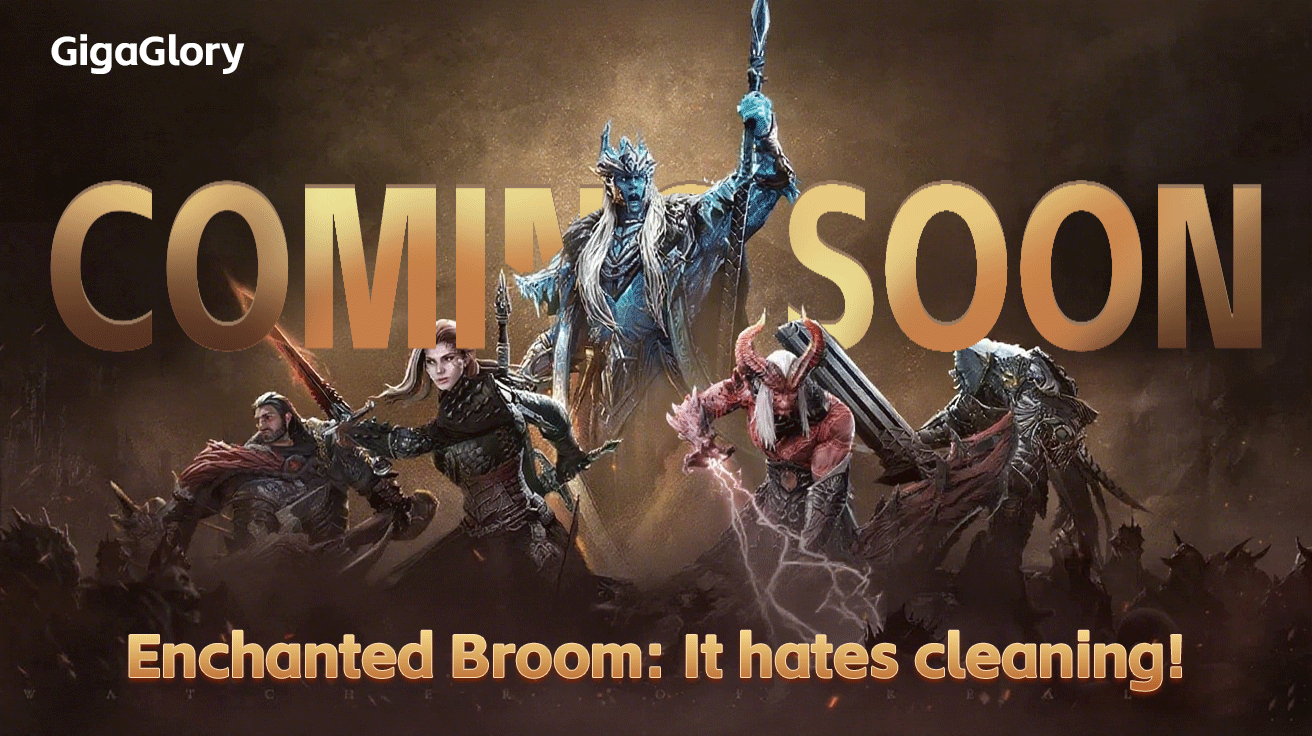
Open World Games vs. Real-Time Strategy Games: Which Offers a More Immersive Experience?
Introduction
In the realm of video games, two distinct genres often attract a lot of attention: open world games and real-time strategy (RTS) games. Each offers unique gameplay experiences that can deeply engage players. This article aims to dissect both genres, comparing their immersive qualities and seeing which one can truly captivate the player's imagination.
Understanding Open World Games
Open world games allow players to explore vast, open environments freely. Titles like "The Legend of Zelda: Breath of the Wild" or "Grand Theft Auto V" exemplify this genre's ability to provide endless adventure. Players can choose quests, interact with the world at their own pace, and even engage in side activities that enhance their experience.
Defining Real-Time Strategy Games
On the other hand, real-time strategy games require players to manage resources, build bases, and strategize in real-time. Classic titles like "Age of Empires" and newer games like "Starcraft II" emphasize tactical planning and decision-making under pressure. The challenge of creating a good clash of clans base is paramount, as a well-designed base can significantly boost a player's chances of victory.
Immersion in Open World Games
Immersion in open world games arises from the freedom given to the player. The expansive worlds filled with NPCs, diverse quests, and breathtaking landscapes allow players to escape reality. The sense of discovery is unprecedented—players can stumble upon hidden treasures or encounter unexpected story arcs, enhancing their engagement.
Exploration and Discovery
- Non-linear gameplay fosters exploration
- Dynamic environments change based on player actions
- Rich lore and world-building add depth
Immersion in Real-Time Strategy Games
Conversely, immersion in RTS games comes from the strategic depth. Players are continually challenged to think several steps ahead, making quick decisions while balancing resource management. The thrill of building a good clash of clans base and defending it against enemy attacks can create a gripping experience.
Strategic Depth and Planning
- Resource allocation and base management
- Real-time decision making creates urgency
- Multiplayer dynamics add competition
Different Styles of Gameplay
The essence of gameplay in these two genres is significantly different. While open world games encourage leisurely exploration, RTS games demand acute focus and rapid response. When comparing the two, it's important to recognize how these differences cater to varying player preferences.
Open World Gameplay Examples
| Game Title | Key Features |
|---|---|
| The Witcher 3 | Extensive side quests, rich narrative |
| Red Dead Redemption 2 | Realistic world, freedom of choice |
RTS Games Gameplay Examples
| Game Title | Key Features |
|---|---|
| Warcraft III | Hero units, strategic depth |
| Command & Conquer | Fast-paced action, resource control |
Visual and Audio Experiences
The visual and audio elements are crucial for immersion in both genres. Open world games often boast stunning graphics and realistic soundscapes, drawing players into their expansive environments. In stark contrast, RTS games rely on auditory cues and visual indicators to convey critical gameplay information.
Community and Social Interaction
Another aspect to consider is the community aspect of both genres. Open world games often promote solo play but can feature multiplayer elements, such as cooperative missions. RTS games thrive on competitive play and often host tournaments, creating vibrant online communities and challenging environments.
Technical Aspects of Immersion
Beyond visuals and sound, the technical aspects of each genre can affect immersion. Open world games often require substantial hardware capabilities to render expansive environments smoothly. RTS games, while less demanding graphically, often hinge on server stability for multiplayer experiences.
Conclusion: Which Is More Immersive?
Ultimately, the immersive experience offered by open world games or real-time strategy games depends on individual player preferences. Open world games provide freedom, exploration, and a sense of adventure. In contrast, RTS games offer strategic challenges, competitive environments, and resource management tasks that engage the mind. Players who enjoy immersive storytelling and world-building may gravitate towards open world games, whereas those who relish tactical gameplay and real-time decision-making might find RTS games more appealing.
In summary, both genres have unique features that can offer an immersive experience. Whether players prefer the vast landscapes of open world games or the strategic depth of RTS games, both provide captivating gameplay that can transport players into different realms of interaction and exploration.